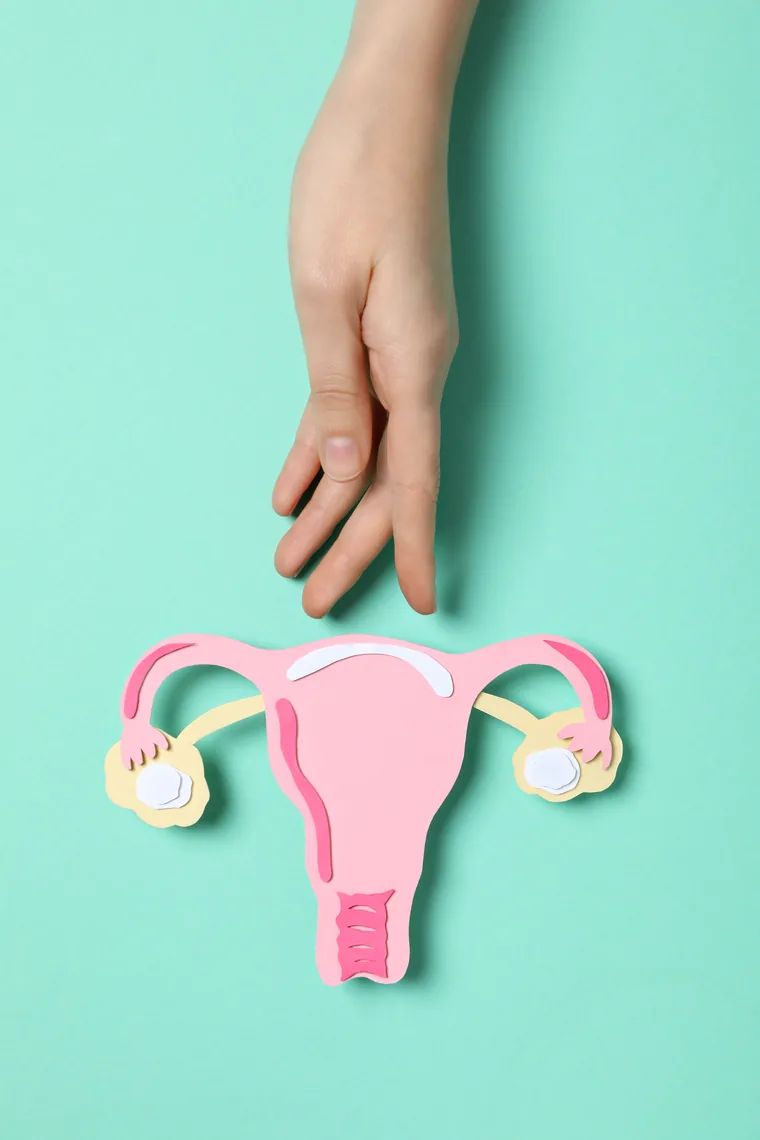
What is PCOS?
PCOS, or polycystic ovary syndrome, is a hormonal condition in which the ovaries and the body's hormone balance do not work together the way they usually should. Despite the name, it does not always mean there are cysts on the ovaries. It is one of the more common hormonal conditions seen in women of reproductive age.
In PCOS, the ovaries may release eggs irregularly, and the body may produce slightly higher levels of male-type hormones (androgens) than usual. This combination is what leads to many of the signs women notice. PCOS is a spectrum: some women have mild features, while others experience more of them together.
What are the common signs of PCOS?
The signs vary from person to person, but some appear often. Irregular periods are among the most common, cycles that are longer than usual, unpredictable, or infrequent. Some women notice heavier or lighter bleeding than before.
Other signs can include excess hair growth on the face, chin or body, acne or oily skin, hair thinning on the scalp, and difficulty losing weight. Some women first learn about PCOS while trying to conceive, because irregular ovulation can make conception take longer. Not everyone has every sign, and having one of these does not automatically mean a person has PCOS, which is why a proper evaluation matters.
Why does PCOS happen?
There is no single cause. PCOS tends to run in families, so genetics play a part. Two factors are often involved: higher androgen levels and insulin resistance, where the body's cells respond less well to insulin. When insulin is high, it can encourage the ovaries to make more androgens, which affects ovulation and skin.
Weight can influence how strongly symptoms show up, but PCOS also occurs in women who are lean. It is a genuine medical condition, not a result of anything a woman did wrong. Understanding this often helps take away unnecessary guilt and makes it easier to focus on practical management.
How can PCOS be managed day to day?
Management usually combines everyday habits with medical care, tailored to each woman's main concern, whether that is periods, skin, weight or fertility. Everyday steps that many women find helpful include regular physical activity, a balanced diet with more whole grains, vegetables, protein and fibre, and reducing highly processed and sugary foods. Even modest, steady changes can improve cycle regularity and how one feels.
Sleep, stress management and consistency matter too, because these influence hormones and insulin. On the medical side, a gynaecologist may discuss options such as medicines to regulate cycles, manage skin or hair concerns, address insulin resistance, or support ovulation when pregnancy is planned. The right choice depends on your age, symptoms and goals, so these decisions are best made in a personal consultation rather than from general advice.
When should you see a doctor?
It is worth seeing a gynaecologist if your periods are consistently irregular, absent, or unusually heavy, if you notice troubling acne or excess hair growth, if weight changes suddenly, or if you have been trying to conceive without success. Early evaluation helps clarify what is going on and allows management to begin before symptoms build up.
A doctor may ask about your cycles and history, examine you, and suggest simple tests such as blood work or an ultrasound where needed. PCOS is also linked over time with concerns like blood sugar and heart health, so regular follow-up is a sensible part of care rather than a cause for alarm.
A note for women in Hinjewadi and nearby areas
This article offers general educational information and is not a substitute for personal medical advice. Every woman's PCOS is a little different, and a plan that suits one person may not suit another.
If you would like your symptoms assessed and a management plan discussed for your situation, you are welcome to consult Dr Bhavna Patil Singh at Dr Bhavna's Women's Clinic in Marunji, Hinjewadi, Pune. The clinic serves Hinjewadi, Marunji, Wakad, Punawale and nearby areas, with a morning OPD from 10:45 AM to 3:00 PM and an evening OPD from 5:30 PM, and consultations available in Hindi, English, Marathi and Gujarati. For appointments, call or WhatsApp +91 83084 26367.