When should I book my first antenatal visit?
For most women, the first antenatal visit is best scheduled once a home pregnancy test is positive, which is usually around 5 to 8 weeks of pregnancy (counted from the first day of your last period). If you have a known condition such as diabetes, thyroid problems, high blood pressure, epilepsy, or a previous pregnancy complication, it helps to be seen a little earlier so any medicines can be reviewed.
There is no need to wait for symptoms to appear. Booking in the first trimester allows time for the baseline tests and an early scan to confirm the pregnancy and its dates. If you are unsure how many weeks along you are, that is exactly one of the things the visit will help sort out.
What will the doctor ask me?
Much of the first visit is a detailed history, so the doctor understands your background before anything else. Expect questions about the first day of your last menstrual period, your usual cycle length, and any contraception you were using. You will also be asked about past pregnancies, miscarriages, or deliveries, and how they went.
Other common questions cover your medical and surgical history, current medicines and supplements, allergies, and any family history of conditions like diabetes, high blood pressure, or genetic disorders. Lifestyle points such as diet, tobacco, and alcohol may come up too. It helps to answer openly, as this information guides safer care. There are no wrong answers here, only useful ones.
What tests and scans are usually done?
A set of baseline blood tests is standard in early pregnancy. These commonly include haemoglobin, blood group and Rh typing, blood sugar, thyroid function, and screening for hepatitis B, HIV, and syphilis. A urine test is often done to check for infection, protein, or sugar. Your blood pressure and weight are recorded to establish a starting point for later visits.
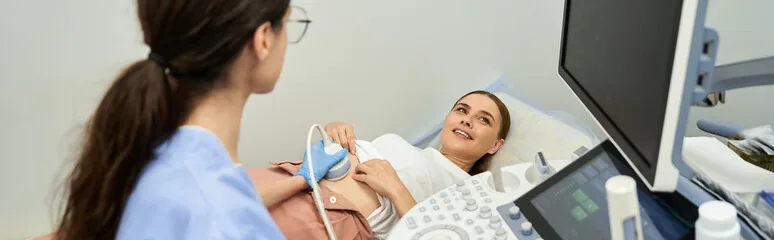
An early ultrasound scan is usually advised to confirm the pregnancy is inside the uterus, check the heartbeat, and estimate the due date accurately. Depending on your history, the doctor may suggest additional tests. Each test has a clear purpose, and your doctor will explain why any particular one is recommended for you.
What about folic acid and supplements?
Folic acid is the key supplement in early pregnancy. Ideally started before conception and continued through the first trimester, it supports the baby's early neural development. If you have not begun it yet, starting at the first visit is still worthwhile. Iron and calcium supplements are usually added a little later in pregnancy, based on your reports and needs.
Please do not start or stop supplements on your own based on general advice. Doses and timing are individual, and your doctor will tailor them to your test results. If you are already taking any vitamins or herbal products, bring them along so they can be reviewed for safety during pregnancy.
What questions should I bring along?
Writing down your questions beforehand means you leave the visit feeling clear rather than realising later what you forgot to ask. Useful ones include: what foods and activities are safe, which symptoms need urgent attention, how much weight gain is healthy for me, and whether my current medicines are safe to continue.
It also helps to carry any previous medical records, past scan reports, a list of your current medicines, and details of any known allergies. If you have a partner or family member who shares in decisions, bringing them along can make the conversation easier. Keeping a simple note of your symptoms and last period date is genuinely useful for the doctor.
A note on personal guidance
This article offers general educational information and is not a substitute for personal medical advice. Every pregnancy is different, and your own history, symptoms, and test results shape what care is right for you.
If you are in or around Hinjewadi, Marunji, Wakad, or Punawale and would like personal guidance for your first antenatal visit, you are welcome to consult Dr Bhavna Patil Singh at Dr Bhavna's Women's Clinic, Marunji. The clinic runs a morning OPD from 10:45 AM to 3:00 PM and an evening OPD from 5:30 PM, with consultations available in Hindi, English, Marathi and Gujarati. Appointments can be made on call or WhatsApp at +91 83084 26367.